
The afterlife of analogue
Once it's digitised, your physical media becomes waste. Here is how to dispose of it responsibly, without harming the planet.
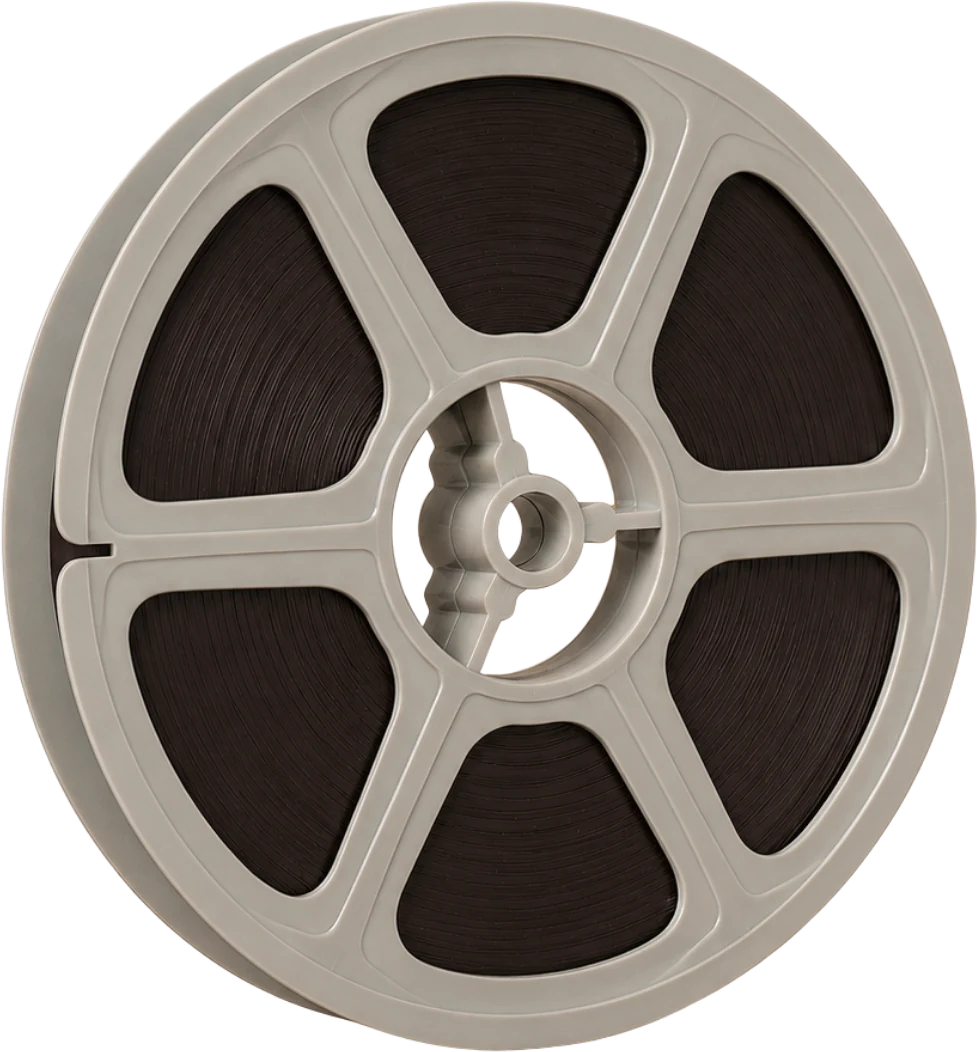
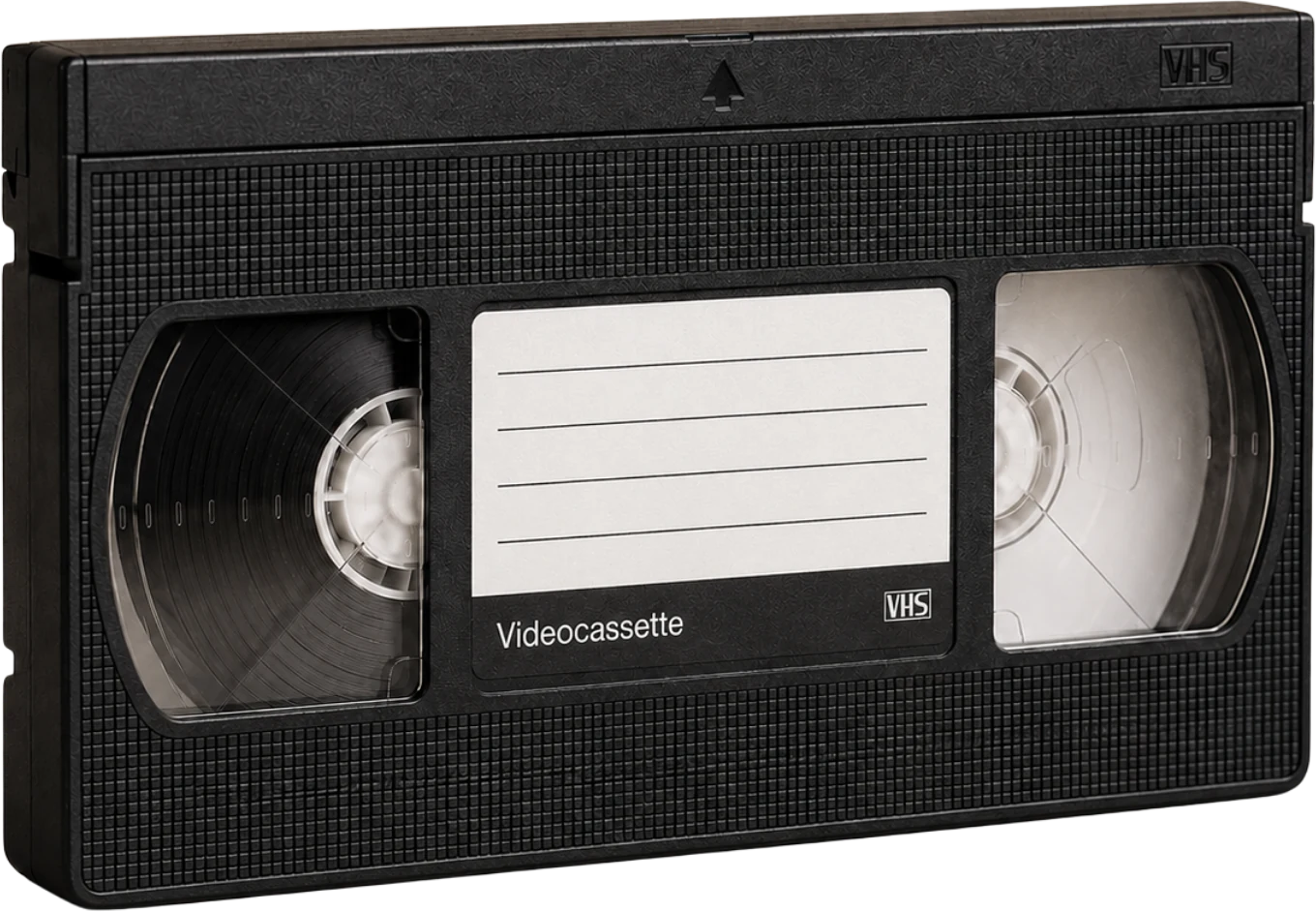
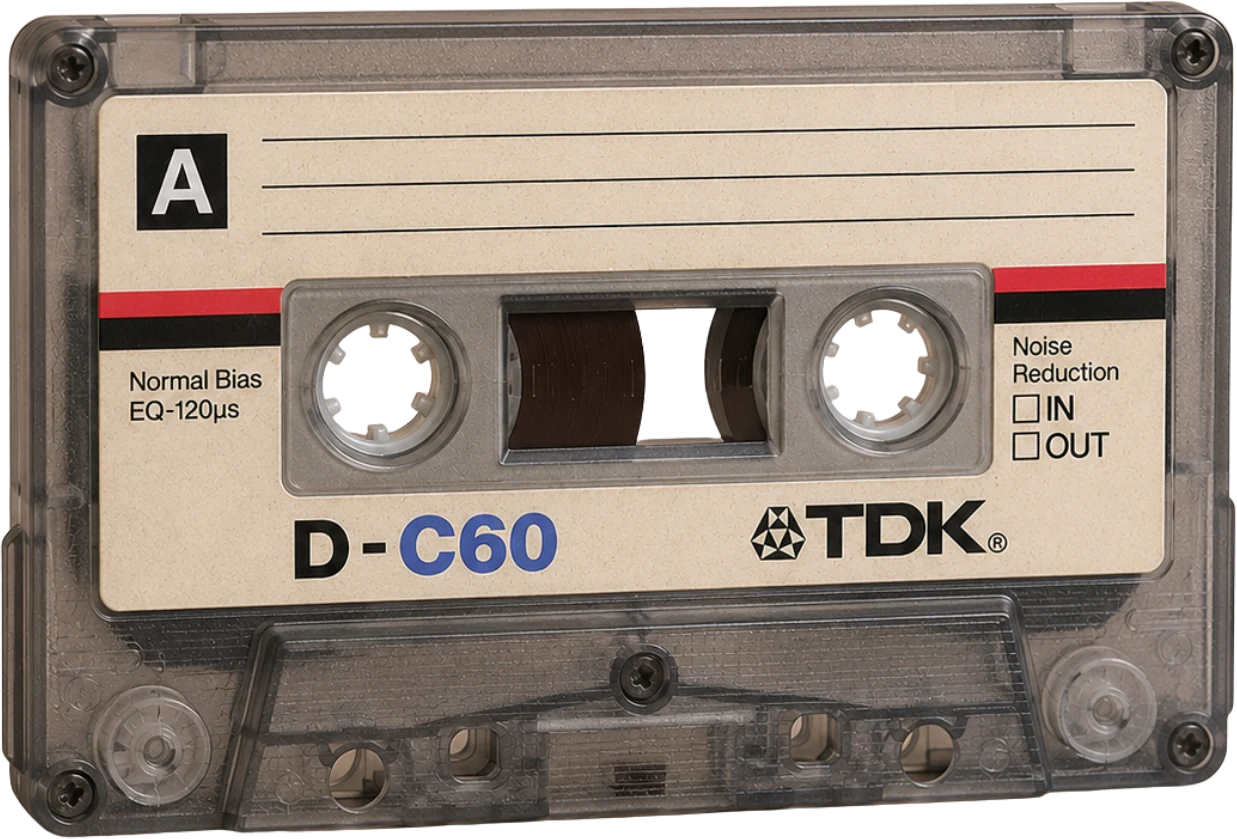
“It's just plastic, right? Can't I bin it?”
This is the most common misconception we hear. You might think VHS tapes are just black plastic, but they are actually a complex sandwich of hazardous materials.
The tape itself is Mylar coated in chromium and other metallic particles. The casing is often polypropylene. The screws are steel.
The “tangler” effect
If you put a VHS tape in your green recycling bin, the tape unspools and wraps around the sorting gears at the recycling plant. It can shut down an entire facility for hours.
Did you know?
E-waste is the fastest-growing waste stream in the world.
Material breakdown
What's actually inside?
VHS, VHS-C & Betamax
- Polypropylene plastic shell
- Mylar tape coated in chromium dioxide or ferric oxide
- Steel screws and metal spring mechanism
- Felt pressure pad and small rubber rollers
Cine film reels
- Cellulose acetate or polyester film base
- Gelatin emulsion containing silver halide crystals
- Colour dyes (cyan, magenta, yellow layers)
- Plastic or metal reel hub
Audio cassettes & DAT
- Polystyrene or ABS plastic shell
- Polyester tape with ferric oxide or chromium dioxide coating
- Steel or stainless steel screws
- Foam pressure pad and metal leaf spring

Photos, slides & negatives
- Resin-coated paper (prints) or cellulose acetate base (film)
- Gelatin emulsion with silver halide and colour dye layers
- Cardboard or plastic slide mounts
- Glass (for glass-mounted slides and plate negatives)
Because these materials are bonded together, most kerbside recycling facilities cannot process them. The magnetic tape in particular causes serious problems at sorting plants, which is why correct disposal matters.
Stop wish-cycling
The sorting guide
Refuse / landfill
- Magnetic tape reels (Mylar)
- Broken cassette shells
- Floppy disks (internal)
- Damaged film negatives
The sad truth
Recycling centre
- VCR players
- Camcorders (any condition)
- Power cables and chargers
- Removed circuit boards
Small electricals section
Household recycling
- Cardboard sleeves
- Paper inserts and manuals
- Clean plastic cases (check type)
- Photo envelopes
Green-bin safe
For the diligent recycler
How to dismantle safely
Remove the paper
Separate all cardboard sleeves and paper labels. These are high-quality paper and easily recycled.
Secure the data
Pull the magnetic tape out of the cassette and cut it with scissors near the reel. This makes it unplayable. For extra security, shred the tape.
The hardware check
If your VCR or camcorder still turns on, don't recycle it. Sell it on eBay or donate it. Working analogue gear is becoming rare and valuable.
Battery warning
Never put loose batteries in any bin. Take them to a supermarket collection point. Lithium fires in bin lorries are a major hazard.
Local options
Find your nearest drop-off
Household Waste Recycling Centres
Every local council in the UK operates at least one HWRC (sometimes called a “tip”). Most have a dedicated section for small electrical items and e-waste, which is where VCRs, camcorders and other playback equipment should go. Some also accept magnetic tape separately.
Find your local council on GOV.UK →Supermarket and retailer points
Many UK supermarkets (Tesco, Sainsbury's, Morrisons) and electronics retailers (Currys) have battery collection bins and small WEEE drop-off points near their entrances. These are ideal for batteries removed from old camcorders and tape players.
Use the Recycle Now locator →If you are unsure whether your local centre accepts a particular item, phone them first. Opening hours and accepted materials vary by council area.
Keep the memory, not the material
By digitising, you have already saved the most important part. Now dispose of the physical remains responsibly.
Haven't preserved your media yet? We can convert VHS to digital, transfer cine film to digital, or provide expert photo scanning. Every order is backed by our Happiness Guarantee.